The Safer, Smarter Way to Undergo Facial Surgery: Why Dr. Steven Hopping Does It Differently
Most surgeons still rely on general anesthesia.
General anesthesia shuts your body down, requires a breathing tube, and comes with a longer, harder recovery.
Dr. Steven Hopping does not default to that.
As a quadruple board-certified surgeon — including certification in Head and Neck Surgery — he understands airway risk, circulation, and surgical physiology at a level most cosmetic surgeons simply don’t.
That’s why he built his protocol around:
Conscious (Twilight) Sedation
1. A Meaningfully Safer Approach
This isn’t marketing. It’s physiology.
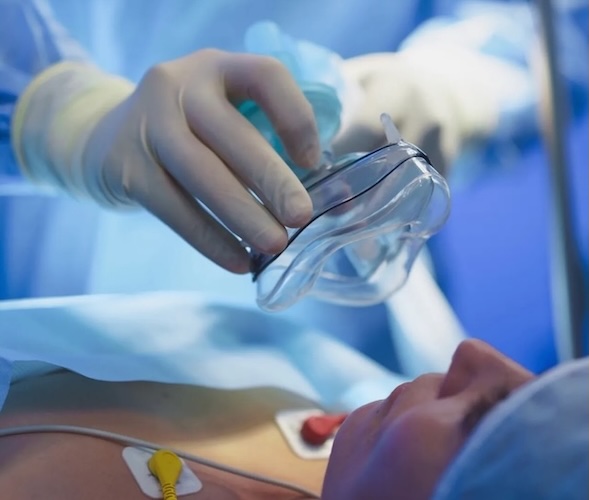
No Breathing Tube
- You breathe the entire time naturally
- No airway trauma
- Dramatically lower risk of post-op throat pain and nausea
Better Blood Pressure Control
- Lower intraoperative pressure
- Less bruising. Less swelling. Cleaner results
- Especially critical in SMAS and deep-plane facelifts
Lower Clot Risk
- Your body maintains more natural circulation
- Reduced risk of Deep Vein Thrombosis compared to general anesthesia
2. A Completely Different Recovery Experience
This is where patients feel the difference immediately.
You’re Comfortable — Not “Knocked Out”
- IV medications create a deep, relaxed state
- No pain
- Little to no memory of the procedure
You Wake Up Fast
- No heavy anesthesia “hangover”
- Most patients are:
- Awake
- Clear-headed
- Ready to go home within about 2 hours (procedure-dependent)
Side-by-Side Comparison
| Feature | Conscious Sedation | General Anesthesia |
| Breathing | Natural, self-supported | Tube + ventilator |
| Nausea | Very low | Common |
| Recovery | 30 min – 2 hrs | 2–5+ hrs |
| Physiologic Stress | Lower | Higher |
| Best Use | Facial surgery, hair restoration | Major trauma/hospital cases |
Why This Matters More Than You Think
Most patients focus on the surgeon.
Smart patients also evaluate:
- Anesthesia method
- Recovery trajectory
- Risk profile
Because the truth is:
Two surgeons can perform the same procedure — and deliver completely different recovery experiences.
Dr. Hopping’s protocol is designed for:
- Precision during surgery
- Reduced physiologic stress
- Faster, smoother recovery
Bottom Line
If a surgeon defaults to general anesthesia for routine facial procedures, ask why.
Because in many cases:
There’s a better way — and you’re looking at it. Call us today to schedule your personalized facelift consultation with Dr. Steven B. Hopping, MD, FACS.