Nobody gets particularly excited about the anesthesia portion of facial surgery. The new jawline? Absolutely. Being unconscious while someone monitors your breathing? Less fun to contemplate.
Safety is near, if not at the top, of everyone’s list when comparing IV sedation or general anesthesia. Unfortunately, neither option is safer for every patient or every facial procedure.
The best choice for you depends on your health, the surgery being performed, how long it will take, and the level of sedation needed to keep you comfortable and still.
IV Sedation and General Anesthesia Aren’t the Same Thing
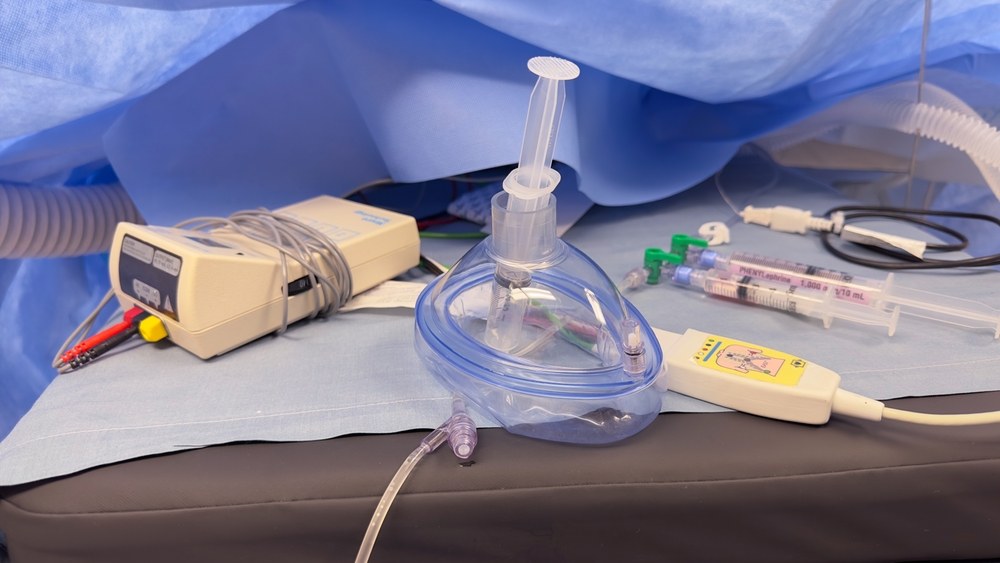
IV sedation is sometimes called twilight sedation. Medication delivered through an IV puts you into a deeply relaxed state. Depending on the level of sedation, you may remember very little afterward.
General anesthesia goes further. You’re fully unconscious, and your breathing and other vital functions are closely managed throughout surgery.
It’s easy to look at those descriptions and assume “less anesthesia” automatically equals “less risk.” Medicine rarely makes things quite that convenient.
A shorter or less extensive facial procedure may be well suited to IV sedation. A longer, more complex surgery may call for general anesthesia because it provides the surgeon and anesthesia team with a different level of control.
Is IV Sedation or General Anesthesia Safer?
There isn’t a responsible one-word answer.
Your medical history matters. So do medications, previous reactions to anesthesia, heart and lung health, age, and the specific procedure you’re having.
Procedure length is another consideration. A rhinoplasty and a deep plane facelift are both facial surgeries, but they aren’t interchangeable operations with identical anesthesia needs.
At The Center for Cosmetic Surgery, Dr. Steven B. Hopping routinely performs rhinoplasty as outpatient surgery under IV sedation. Deep plane facelift surgery, which can take four to six hours depending on whether other procedures are added, may be performed under either general anesthesia or IV sedation.
That’s a much more useful way to think about anesthesia: match it to the patient and the operation instead of picking a favorite ahead of time.
Where Your Surgery Happens Matters, Too
Patients sometimes become so focused on the words “IV sedation” or “general anesthesia” that they overlook another important safety question: Where is the procedure being performed?
The Center for Cosmetic Surgery has a private surgical suite accredited by the Accreditation Association for Ambulatory Health Care. Dr. Hopping performs procedures there rather than sending every surgical patient to a shared hospital operating room.
The facility is part of the safety conversation, not an afterthought.
Dr. Hopping is a board-certified plastic and reconstructive surgeon and fellowship-trained in facial plastic and reconstructive surgery. He has performed thousands of operations during decades of practice in the Washington, DC area.
That experience becomes especially relevant when anesthesia decisions are being made alongside decisions about the scope and duration of surgery.
Ask Better Questions Than “Which One Is Safer?”
Google can tell you what anesthesia does. It cannot review your medical history, examine your face, or decide how extensive your surgery needs to be.
During your consultation, ask why a particular anesthesia approach is being recommended for you. Find out who will administer and monitor it. Discuss previous anesthesia experiences, medications, medical conditions, and anything else that could affect your care.
If you’re combining procedures, you should mention that as well. More surgery can mean more operating time, which may change the anesthesia recommendation.
Choosing between IV sedation or general anesthesia shouldn’t be about finding whichever option sounds less intimidating. It should be about creating the safest appropriate plan for the surgery you’re actually having.
And yes, asking a dozen anesthesia questions during your consultation is perfectly acceptable. This is not the moment to worry about being the “easy” patient.
Call 202-785-3175 or request an appointment online and start your journey toward natural-looking results with a specialist you can trust.